
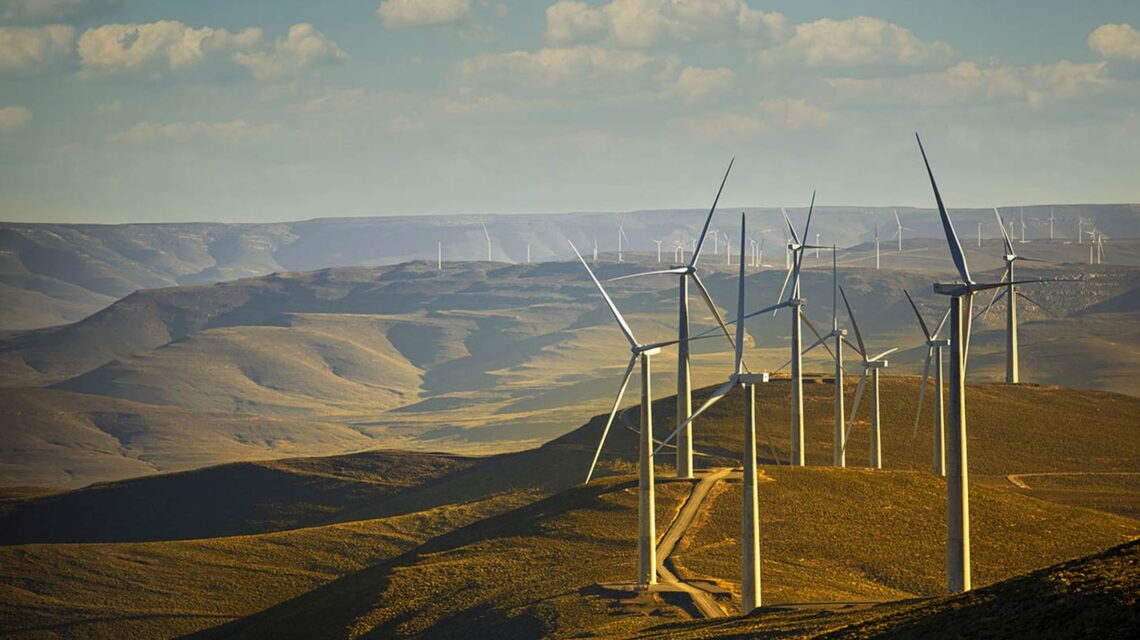
Renewable Energy
South Africa, a country known for its rich natural resources and striking landscapes, is at a critical juncture. With its heavy reliance on coal for energy, the country faces mounting challenges related to air pollution, greenhouse gas emissions, and environmental degradation. However, the growing adoption of renewable energy presents a promising path toward a greener future.
The Benefits
- Reduction in Greenhouse Gas Emissions
One of the most significant environmental advantages of renewable energy is its ability to drastically reduce greenhouse gas emissions. South Africa’s coal-dominated energy sector is a major contributor to carbon dioxide emissions, which drive climate change. By shifting to clean energy sources, the country can:
– Lower its Carbon Footprint: Solar, wind, and hydroelectric power produce little to no greenhouse gases during operation.
– Mitigate Climate Change: Reducing emissions slows the pace of global warming, protecting ecosystems and communities from extreme weather events.
- Improved Air Quality
Burning coal for electricity releases harmful pollutants like sulphur dioxide, nitrogen oxides, and particulate matter, which contribute to poor air quality and respiratory illnesses. Transitioning to renewables eliminates these emissions, leading to:
– Cleaner Air: Solar panels and wind turbines operate without releasing pollutants.
– Healthier Communities: Improved air quality reduces the incidence of diseases like asthma and bronchitis, especially in areas near coal-fired power plants.
- Conservation of Water Resources
Coal-fired power plants consume vast amounts of water for cooling and steam generation, straining South Africa’s already limited water resources. Renewable energy offers a more sustainable alternative:
– Minimal Water Use: Solar and wind energy require little to no water for operation, conserving this precious resource.
– Protection Against Water Scarcity: By reducing dependence on water-intensive energy production, renewables support water security in drought-prone regions.
- Preservation of Biodiversity
Coal mining and combustion have devastating impacts on South Africa’s unique biodiversity, destroying habitats and polluting ecosystems. Renewable energy development can help reverse these effects:
– Reduced Habitat Destruction: Unlike coal mining, solar farms and wind turbines require far less land disruption.
– Ecosystem Restoration: Transitioning away from fossil fuels allows for the rehabilitation of mined areas and the preservation of vital ecosystems.
- Decreased Environmental Pollution
Coal ash, a byproduct of coal combustion, poses significant environmental risks when improperly disposed of, contaminating soil and water. Renewables, by contrast, generate no such hazardous waste:
– Safer Waste Management: The absence of toxic byproducts makes renewable energy inherently cleaner.
– Protection of Soil and Water Quality: Reduced pollution safeguards agricultural productivity and drinking water sources.
- Supporting a Circular Economy
Many renewable energy technologies, such as solar panels and wind turbines, are designed with recyclability in mind. This aligns with the principles of a circular economy:
– Recyclable Components: Materials like aluminium and steel used in turbines can often be repurposed at the end of their life cycle.
– Reduced Resource Depletion: By harnessing energy from the sun, wind, and water, South Africa lessens its reliance on finite fossil fuels.
- Promoting Environmental Awareness
The adoption of renewable energy fosters a culture of sustainability and environmental stewardship. As communities embrace clean energy, they become more aware of the importance of protecting natural resources for future generations.
A Green Future for South Africa
While challenges like grid capacity and initial costs remain, the long-term environmental and economic benefits far outweigh the obstacles. By committing to renewable energy, South Africa can lead the way in sustainable development, protecting its breathtaking landscapes and unique biodiversity for generations to come.