
Preventing Stormwater Drain Pollution
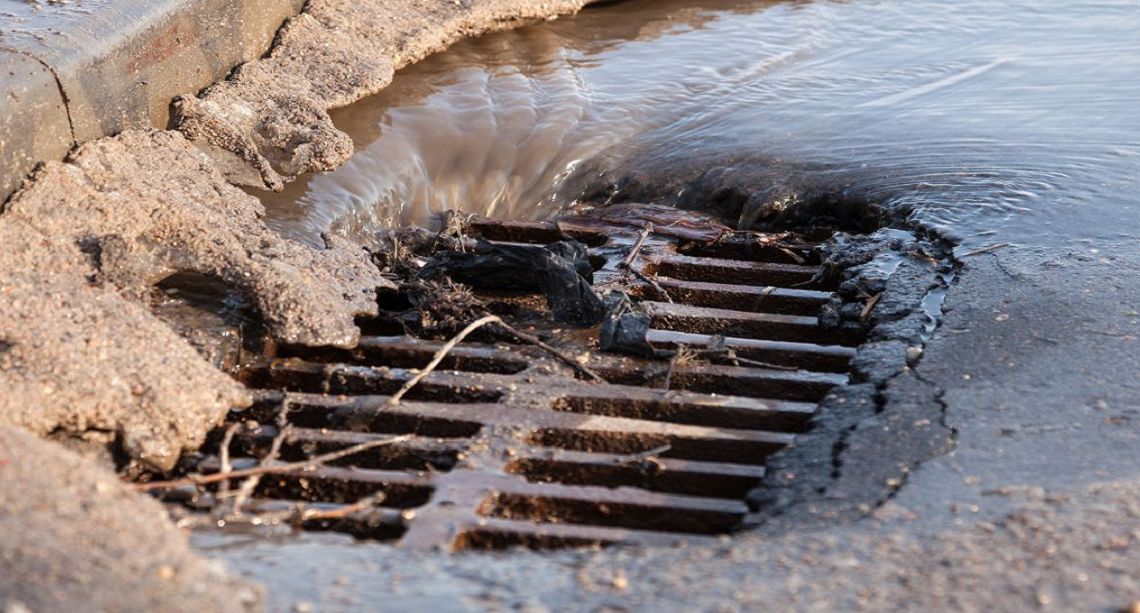
Stormwater is water from rain that doesn’t seep into the ground or evaporate. It flows off hard surfaces, rooftops, pavement, and sloped lawns. As the water flows to the lowest point, it picks up anything it finds along the way. This includes both visible contaminants – like soil, animal waste, trash, and debris – as well as less discernible pollutants – such as pesticides, fertilizers, oil, grease, germs, and bacteria.
The problem is that polluted stormwater must go somewhere. It eventually ends up in city sewer systems, streams, rivers, and water systems. This degrades our rivers, lakes, wetlands, and public water supply. As a result, marine wildlife is put in danger and more chemicals are required to make water safe for the public to drink and use.
Preventing stormwater drain pollution is a collective effort that requires involvement from many different groups, individuals, businesses, and government departments. Here are a few of the best practices for preventing stormwater pollution and its ill effects:
- Clean up. Do your part to clean up your property and the areas surrounding your property. Letting leaves, trash, or debris pile up along the curb, for example, enables stormwater pollution. Rake this stuff up and properly dispose of it.
- Only rain in the drain. Never put anything into a storm drain that isn’t rainwater. This includes blowing leaves and grass clipping down the drain, or letting trash fall in.
- Protect drains. Storm drains need to be protected against serious pollutants like chemicals and oil spills. If you own a property with a storm drain – particularly in an industrial setting, shopping centre parking lot, or construction site – a drain cover is a wise investment. It prevents oil and sediment from the storm water entering the drainage system.
- Use fewer chemicals. Everyone can do their part by using fewer chemicals in their landscaping efforts. You should also be cognizant of the types of cleaners and soaps you use when washing your car or pressure washing your home’s exterior. Assume that anything you use will meet with stormwater at some point.
- Reduce paved surfaces. Grass and wooded areas are important for collecting stormwater and preventing excess runoff. Whenever possible, individuals should reduce the number of paved surfaces.