
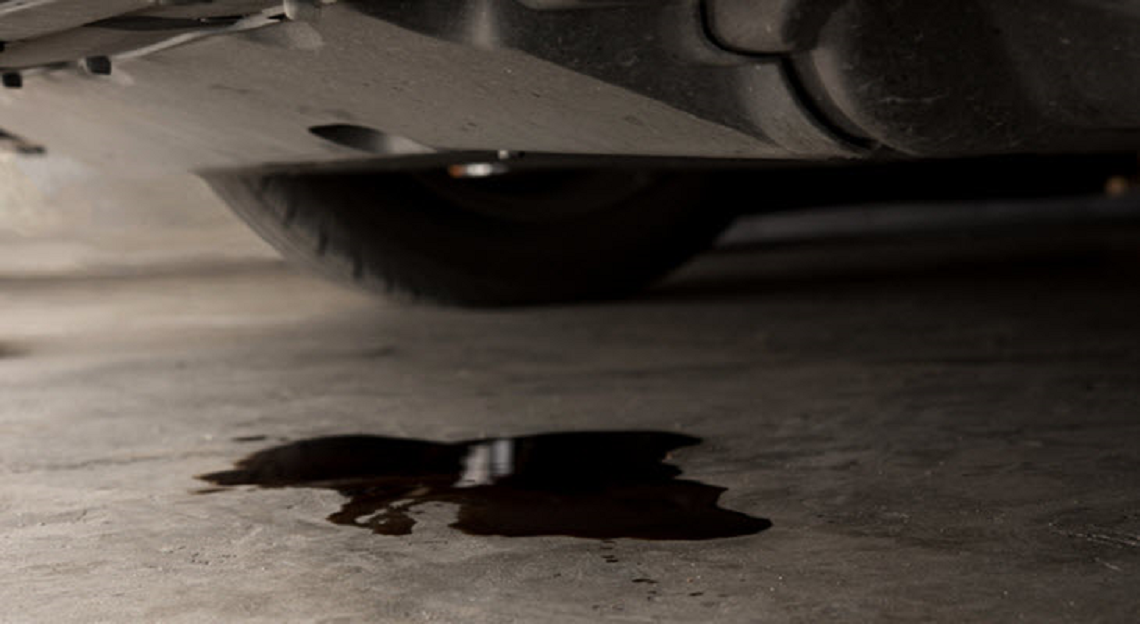
Drip Trays for Oil: The Unsung Heroes of Spill Containment
In any industry or space where oil is handled, be it automotive workshops, factories, or even home garages, spill containment is an often-overlooked necessity. Drip trays are a simple yet powerful solution for preventing oil spills, protecting the environment, and ensuring workplace safety. In this blog post, we’ll dive into why drip trays are essential and explore the best options available.
The Importance of Using Drip Trays for Oil
Drip trays are more than just containers—they’re guardians against the hazards of oil spills.
Here’s why they matter:
- Environmental Protection: Oil leaks can seep into the ground, polluting soil and water sources. Drip trays act as a barrier, preventing contamination.
- Safety: Slippery surfaces caused by oil spills are a safety hazard. Drip trays minimize this risk by containing spills at the source.
- Cost Savings: Cleaning up oil spills can be expensive and time-consuming. Drip trays reduce the need for cleanup, saving both time and money.
- Compliance: Many industries are required to adhere to environmental regulations. Using drip trays helps businesses stay compliant and avoid fines.
Best Options Available:
Drip trays come in a variety of materials, sizes, and designs to suit different needs. Here are some top options:
These trays are durable, lightweight, and resistant to chemicals, making them ideal for both indoor and outdoor use. Polyethylene trays come in various sizes and are easy to clean, making them a favourite in workshops and industrial settings.
- Low-Profile Drip Trays
Compact and practical, low-profile trays are perfect for automotive use, such as catching oil leaks under cars. They’re designed to fit into tight spaces without compromising functionality.
For larger spills or storing multiple oil containers, bunded pallets provide robust containment. They feature raised edges to prevent overflow and often come with drainage systems for easy cleaning.
Metal trays are durable and long-lasting, making them suitable for heavy-duty applications. While heavier than polyethylene options, they offer superior strength for demanding environments.
- Customizable Options
Many manufacturers offer customizable drip trays to meet specific requirements, whether it’s size, material, or additional features like mesh covers.
Polyethylene is a popular choice for drip trays for oils due to their durability, lightweight design, and resistance to chemicals. Polyethylene drip trays for the catchment of oils, fuels, and non-aggressive chemicals.
Choosing the Right Drip Tray
When selecting a drip tray, consider the following:
- Capacity – Ensure the tray is large enough to handle potential spills.
- Material – Choose a material that’s compatible with the type of oil and chemicals you’ll be working with.
- Ease of Use – Look for features like handles or drainage systems for convenience.
- Durability – Invest in a tray that can withstand the conditions of your workspace.
Drip trays may seem like a small investment, but their impact is anything but minor. Whether you’re protecting the environment, ensuring workplace safety, or saving on cleanup costs, these humble containers are indispensable in oil handling. With options ranging from polyethylene trays to bunded pallets, there’s a drip tray for every need.
Drip trays for oil are essential for spill containment and environmental safety. In South Africa, you can find a variety of options, including polyethylene trays, bunded pallets, and spill decks. Shasa group offers different sizes and designs to suit your needs.
So, if you haven’t already made drip trays a staple in your oil management toolkit, now’s the time. Protecting the planet and maintaining a safe workspace is always worth it!