
Do we need spill response training?
Do we need spill response training?
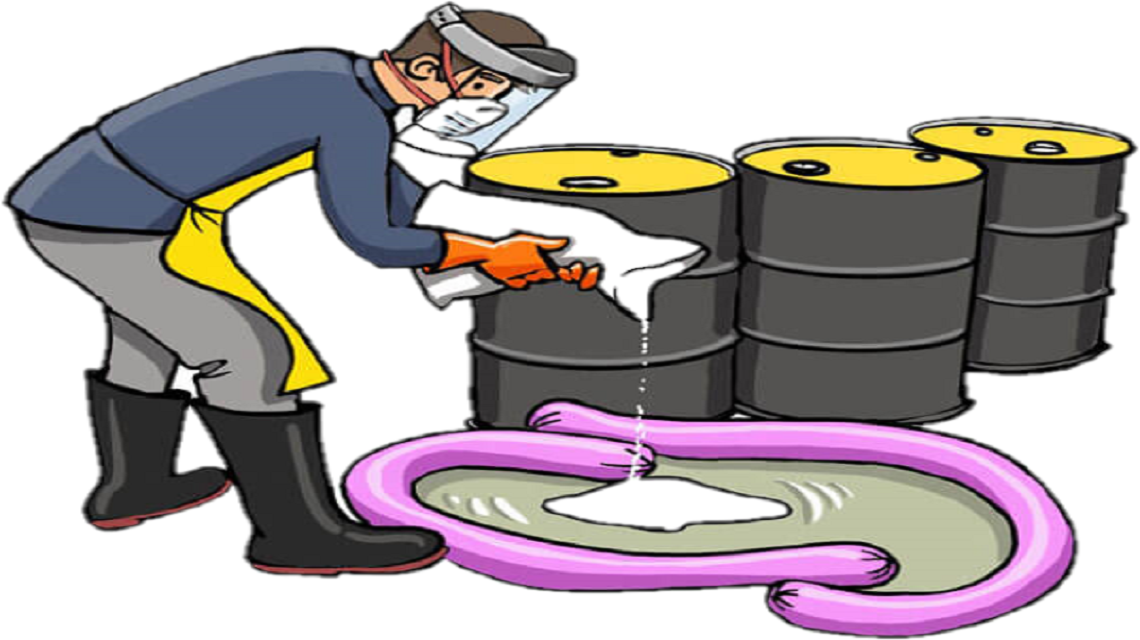
Yes. Your staff should receive some kind of structured training. Although a theoretical class will be useful for most staff and cover the broader points of spill control, a more in-depth and detailed training session for those primarily responsible for dealing with an incident should be conducted. This training should include exactly what to do in the event of a spillage, including containment and clean-up and understanding of when additional support may be required. This training should be site specific and driven by your Incident Response Plan. Content should include considering site conditions such as drainage, spill kit locations and locations of any high-risk areas. As well as the theory of how to respond to a spill, your team will need to understand how to respond in real life, so a practical demonstration and practice could also be beneficial.
How often should the training be refreshed?
Your spill response team should be familiar with the correct spill response and remember what to do if an incident does occur. Therefore, refreshing or re-training would be appropriate to make sure your team is reminded of exactly what to do. The frequency and type of training will depend on the complexity of your site and your pollution risk. For example, you may decide to do refresher training once a year but more in-depth training, going through all the content every two years.
Is there anything else I can do?
In addition to spill training, it would be beneficial to have a spill drill. Like a fire drill, it allows you to simulate and practice what you would do during an actual incident outside of a training setting. A drill should be carried out with a non-hazardous liquid, in a location where a spill is likely and using real spill kits. You can decide whether it is an announced drill so there is minimal operational disruption or not so you can test your team’s real reactions. You will also need to keep track of who is spill trained in your organisation. You should always have some spill responders on site, which means you may need to train across shifts and may need to train new people if your existing spill response team leaves or move to other positions.
Responding to a spill in a timely and effective manner is essential to help prevent pollution from leaving your site. Even if you use an external contractor to clean-up major spillages on your site, you need to ensure you have an on-site team who is aware of the immediate actions to contain and stop the spill and how to deal with minor spillages.
Keep an eye on our new Spill Response Training Pack. Available Soon.
Find Spill kits and Absorbents on our site.