
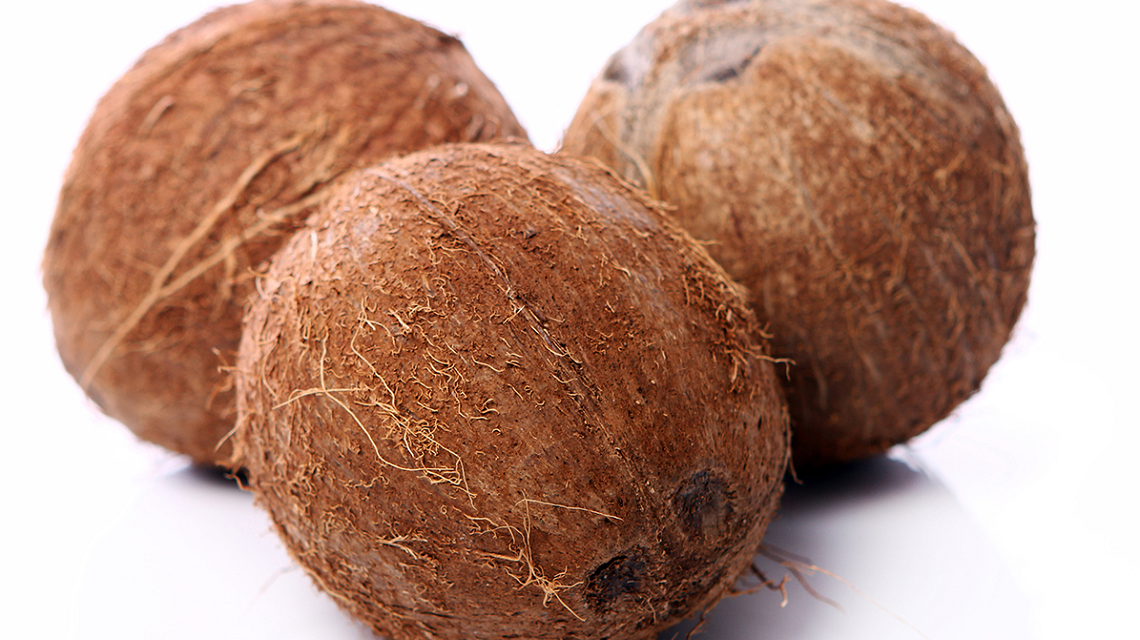
Cocopeat: A Sustainable Solution for Oil Absorption
Also known as coir pith or coir dust, is a versatile byproduct derived from coconut husks during the fibre extraction process. Originally used as a soil conditioner and growing medium, cocopeat has gained recognition for its unique properties that make it an effective and eco-friendly oil absorbent.
What is Cocopeat
It is composed of coconut husk particles that are lightweight, porous, and highly absorbent. It is commonly compressed into blocks or loose form for various applications. Some key features of cocopeat include:
- High Absorption Capacity: It can hold water or oil several times its weight, making it ideal for absorption purposes.
- Natural and Biodegradable: As a plant-based material, cocopeat is environmentally friendly and decomposes naturally without harming ecosystems.
- Chemical-Free: It doesn’t contain harmful additives, making it safe for use in sensitive environments.
How is Cocopeat Used as an Oil Absorbent?
This product has a porous structure enables it to trap and hold oil effectively, making it an excellent tool for spill control. Here’s how it’s used to absorb oil:
- Application
When an oil spill occurs, it can be spread directly over the spill area, whether on land or water. Its particles rapidly soak up the oil, leaving the surface clean and dry.
- Absorption Process
The hydrophobic nature of cocopeat ensures that it absorbs oil while repelling water. This makes it especially effective for oil spills on water surfaces.
- Cleanup
Once the oil is absorbed, the cocopeat can be collected and disposed of or, in some cases, repurposed, depending on the type of oil and environmental regulations.
- Industrial Usage
In industries like automotive workshops, factories, and oil refineries, it is used for managing routine leaks and spills, offering a sustainable alternative to synthetic absorbents.
Advantages of Cocopeat as an Oil Absorbent
Cocopeat stands out among oil absorbents for several reasons:
- Eco-Friendly Solution: Unlike synthetic oil absorbents, cocopeat is biodegradable and doesn’t leave harmful residues, making it a sustainable choice for spill control.
- Cost-Effective: It is relatively inexpensive compared to synthetic absorbents and can be sourced easily from coconut-producing regions.
- Lightweight and Portable: Its lightweight nature makes it easy to transport and deploy, even in remote areas.
- Safe for the Environment: It doesn’t release toxins or pollutants, ensuring minimal environmental impact during use and disposal.
Why Choose Cocopeat?
The use of cocopeat as an oil absorbent reflects a shift toward eco-conscious practices in spill management. By leveraging a natural waste product, industries and individuals can address oil spills effectively while reducing their carbon footprint. This sustainable solution not only protects the environment but also contributes to the circular economy by giving new life to agricultural byproducts.
This is more than just a gardening tool—it’s a versatile and eco-friendly material that’s paving the way for greener practices in oil spill management. Whether you’re dealing with minor leaks in a workshop or larger spills in industrial settings, cocopeat offers a safe, efficient, and sustainable alternative to synthetic absorbents.